
Community voices at the table: our Political Roundtable with Hope for the Future
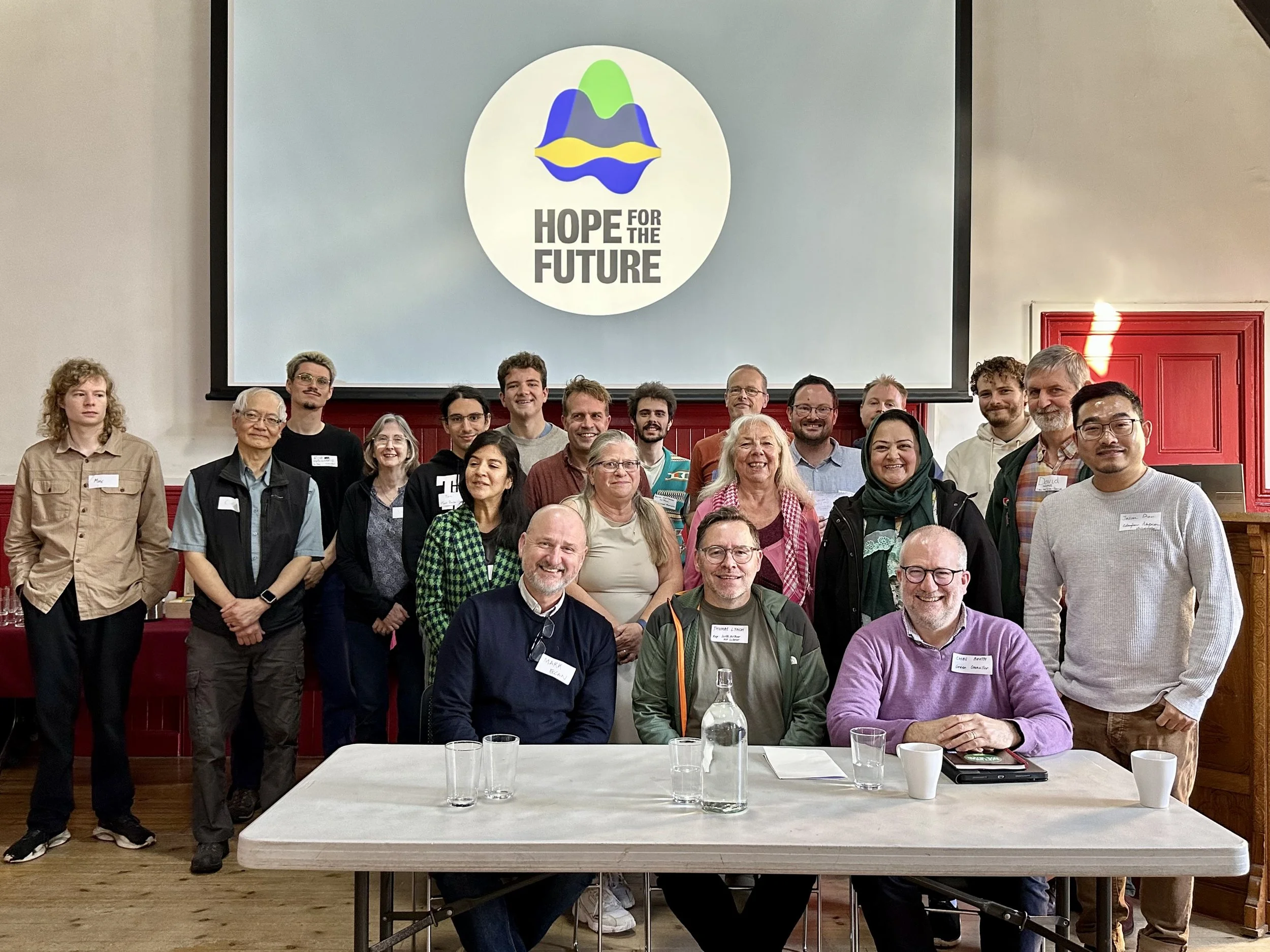
Yesterday, we came together at Greyfriars Charteris Centre for our Political Roundtable with Hope for the Future, creating space for community voices to bring their questions, experiences and priorities directly into conversation with political representatives.
We were joined by a brilliant mix of individuals and representatives from community groups and organisations across Edinburgh, including Active Inquiry, Living Rent and Networking Key Services (NKS). Joining the conversation were Lorna Slater MSP, Cllr Chas Booth and Thomas Lynch representative from the office of Scott Arthur MP. Christine Jardine MP had also been due to attend but was unfortunately unable to join us on the day.
The conversation covered a lot of ground - from energy and housing to food security, land use, waste and transport. At the centre of many of these discussions was how decisions made at local and national level affect communities, and how communities can have a greater say in shaping them.
Starting with the questions
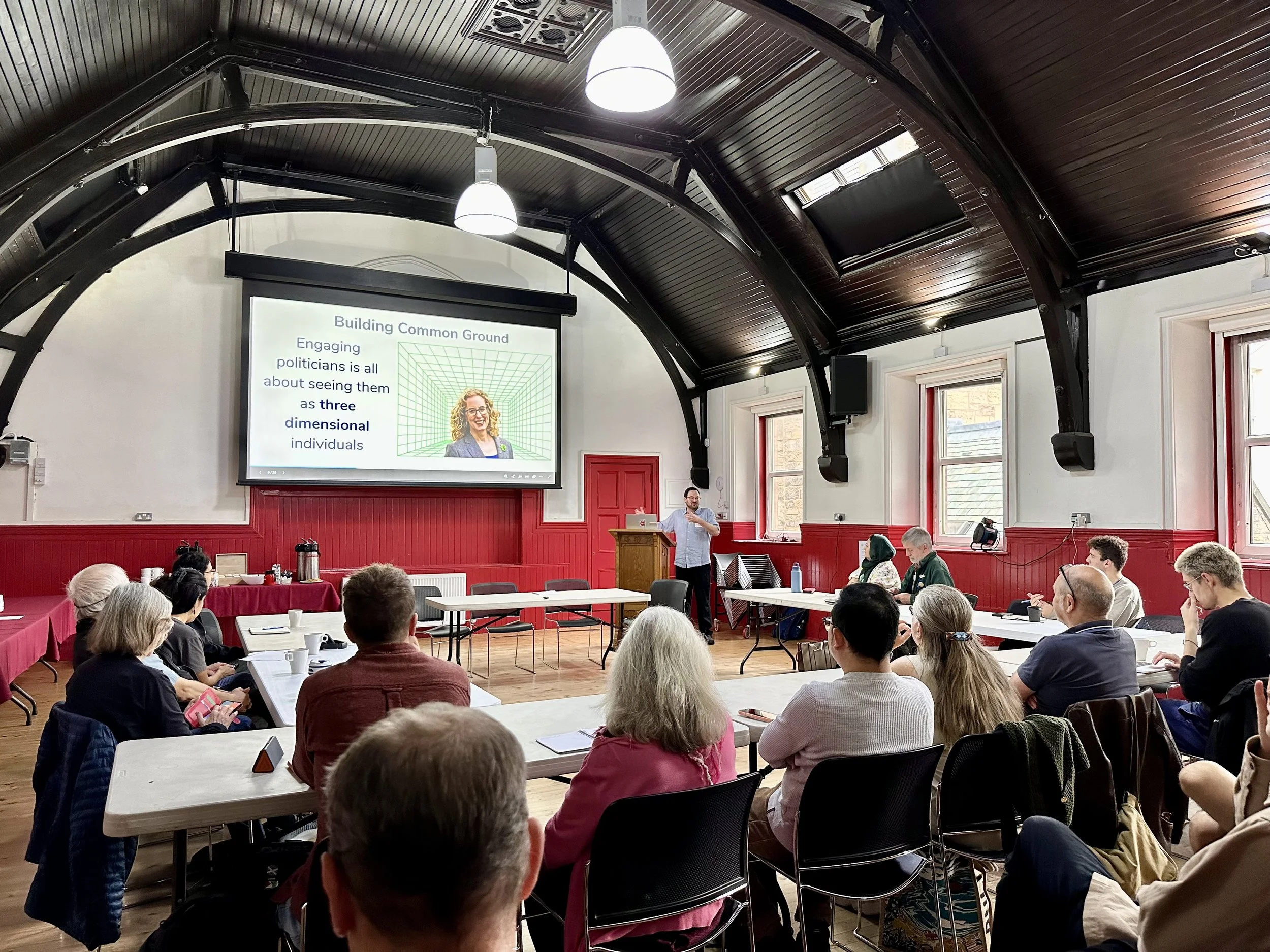
Before the roundtable began, Matthew Sellar from Hope for the Future led a session on engaging constructively with politicians: thinking about not only what we want to ask, but how we frame questions in ways that can lead to meaningful conversations and, importantly, something to follow up.
Working in small groups, attendees tested different approaches, shared the issues they had brought with them and developed the questions they wanted to put to our representatives. It meant that when we came together around the table, the conversation was rooted in direct experience of work already happening across Edinburgh and in some of the barriers our communities are encountering along the way.
What does a just transition look like in practice?
We began with energy. Concerns around continued oil and gas development and the Rosebank oil field led into questions about energy security, the transition away from fossil fuels and the political challenges surrounding that transition. Then discussion shifted from the scale of national energy policy to what transition looks like closer to home.
Heat networks were one example. There was discussion of their potential to provide lower-carbon heat and help tackle fuel poverty, but also of the policy, funding and delivery barriers that have slowed progress. Community and not-for-profit models were raised as part of that picture, alongside the question of how we make sure new energy infrastructure serves the communities it is intended to benefit.
Housing brought that tension into even sharper focus. Living Rent shared experiences of energy-efficiency and retrofit schemes where residents had faced significant and unexpected costs. The objective of warmer, more efficient homes was not in question. The experience raised a more difficult issue about how those improvements are funded and delivered, and what happens when the costs of transition fall unevenly.
There were offers to follow up on the specific experiences raised. More broadly, the exchange grounded the idea of a just transition in something very tangible: climate action is shaped not only by what we choose to do, but by how it is implemented, who has a say and who is asked to carry the cost.
Who has the space and resources to act?
That question of access and infrastructure followed us into the conversation around food security, biodiversity and community growing.
Community growing can do many things at once: support local food systems, create space for biodiversity, build skills and relationships, and give communities greater resilience. Edinburgh already has a wealth of knowledge and activity in this area. Yet having the skills and enthusiasm to do something does not necessarily mean having the space to do it.
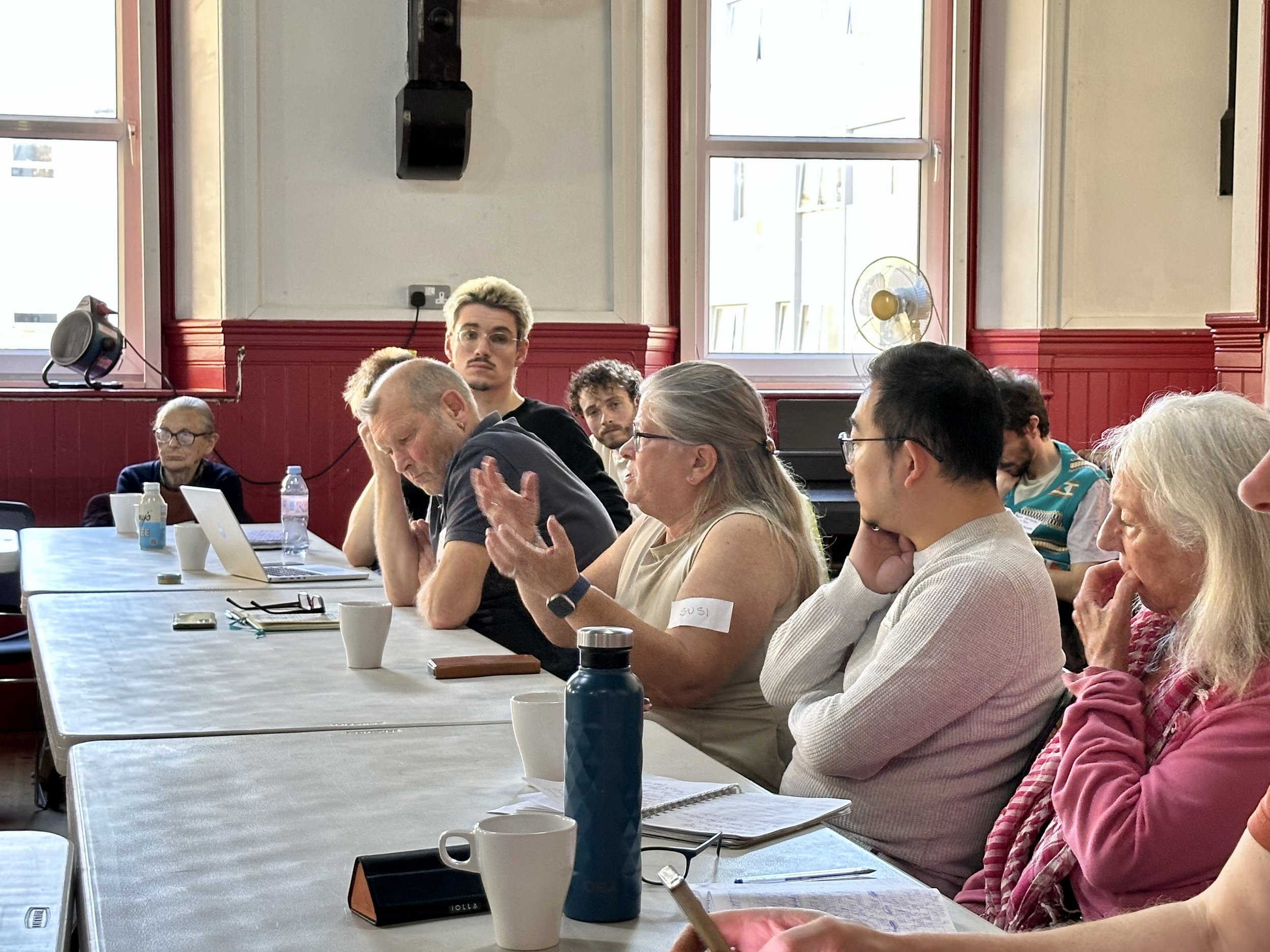
Tatheer Fatima from NKS spoke about the difficulty of finding accessible land where community organisations can put practical skills into action. That shifted the conversation towards who can access land and buildings, what happens to underused spaces in the city, and how work around the Good Food Nation and community wealth building might create greater opportunities for communities to shape and use the places around them.
The discussion made clear that food security cannot be separated neatly from questions of land, affordability, skills or community infrastructure. If we want stronger local food systems, communities need more than encouragement to participate - they need the space, resources and agency to do so.
Looking beyond individual choices
Food also offered another route into a recurring theme of the morning: the limits of placing responsibility for environmental action primarily on individuals.
Questions about supermarket surplus and food waste led to discussion about where waste occurs across the food system, how surplus is redistributed and what prevention looks like further upstream.
Tatheer shared NKS’s experience of receiving surplus food for community distribution, including occasions where the quality or remaining lifespan of food can make redistribution difficult. It added an important perspective to a system that can look straightforward on paper: moving surplus food to community organisations does not necessarily resolve the underlying problem of waste.
The conversation ranged from household and commercial food waste to packaging, recycling, producer responsibility and energy-from-waste. Across these different scales, the underlying question remained much the same: where does responsibility sit, and how can our systems make the less wasteful option the easier one?
Transport brought us back to this point once again. The affordability of buses, alongside active travel and public transport infrastructure, prompted discussion about what it actually takes to make lower-carbon travel a realistic choice. If public transport is unaffordable, or the infrastructure someone needs simply isn’t there, individual behaviour can only take us so far.
Whether we were talking about heating a home, travelling across Edinburgh, growing food or reducing waste, a common thread had emerged: communities are already willing to be part of change, but ambition needs to be matched by the conditions that allow that change to happen.
Taking the conversation beyond the room
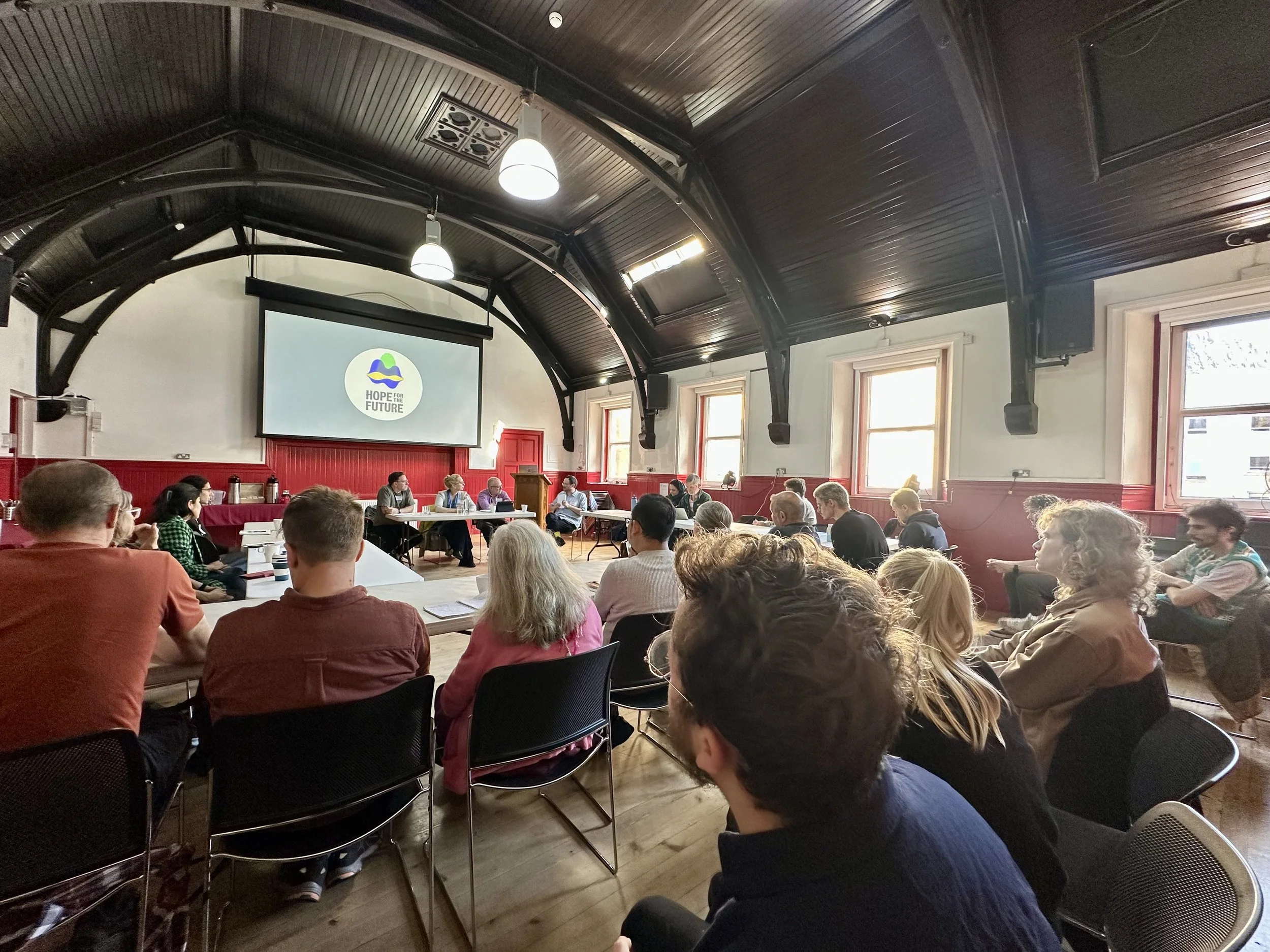
A single roundtable can’t resolve questions of this scale. What it can do is bring different kinds of knowledge and experience into the same room.
Community organisations brought experience of how policy and systems are playing out on the ground. Individuals brought questions rooted in their own neighbourhoods and concerns. Political representatives were able to respond, offer context and, in several cases, identify specific issues to follow up.
That exchange is important. The distance between policy and lived experience can be considerable, and creating opportunities for communities to speak directly with those involved in political decision-making is one way of narrowing it.
A huge thank you to everyone who joined us and contributed so thoughtfully to the discussion, to Hope for the Future for helping us create the space for it, to our political representatives for joining us and speaking so passionately, and the team at Greyfriars Charteris Centre for hosting us.
The conversation doesn’t end with the roundtable. You can contact the elected representatives for your area directly about the issues affecting you and your community, and Hope for the Future has lots of experience supporting communities to make those conversations constructive and effective. Want to continue the conversation? Use WriteToThem to find the elected representatives for your area using your postcode, and get in touch directly about the issues that matter to you and your community.
There’ll be more to come from our work with Hope for the Future, and we’ll also be sharing a short video from the day soon, bringing together some of the conversations and reflections from the roundtable. Keep an eye out for this in the weeks to come.